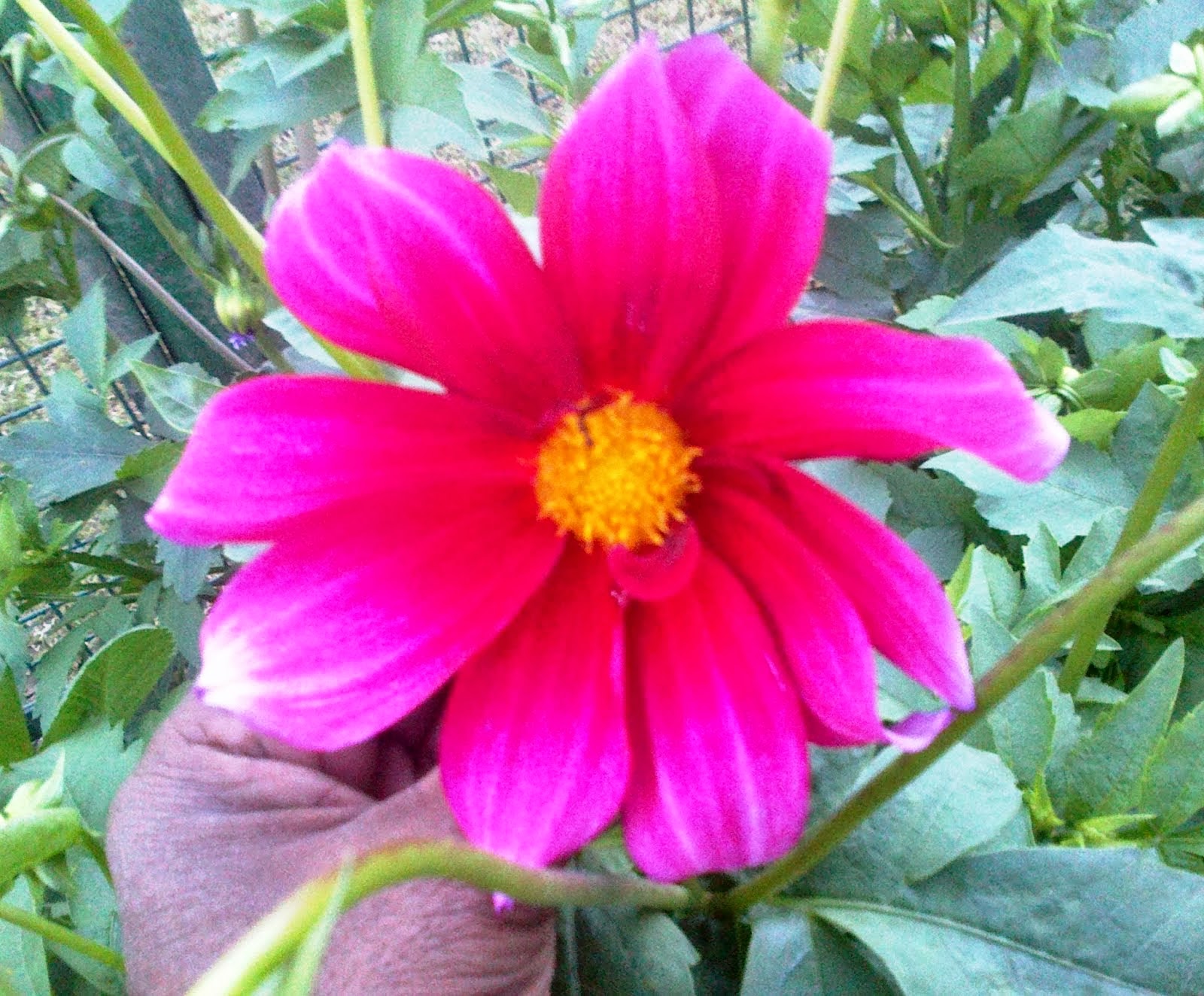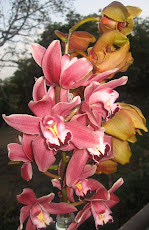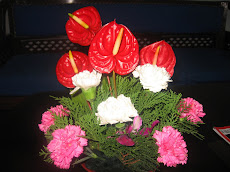
Pink Twins

Pink Twins
Gangtok

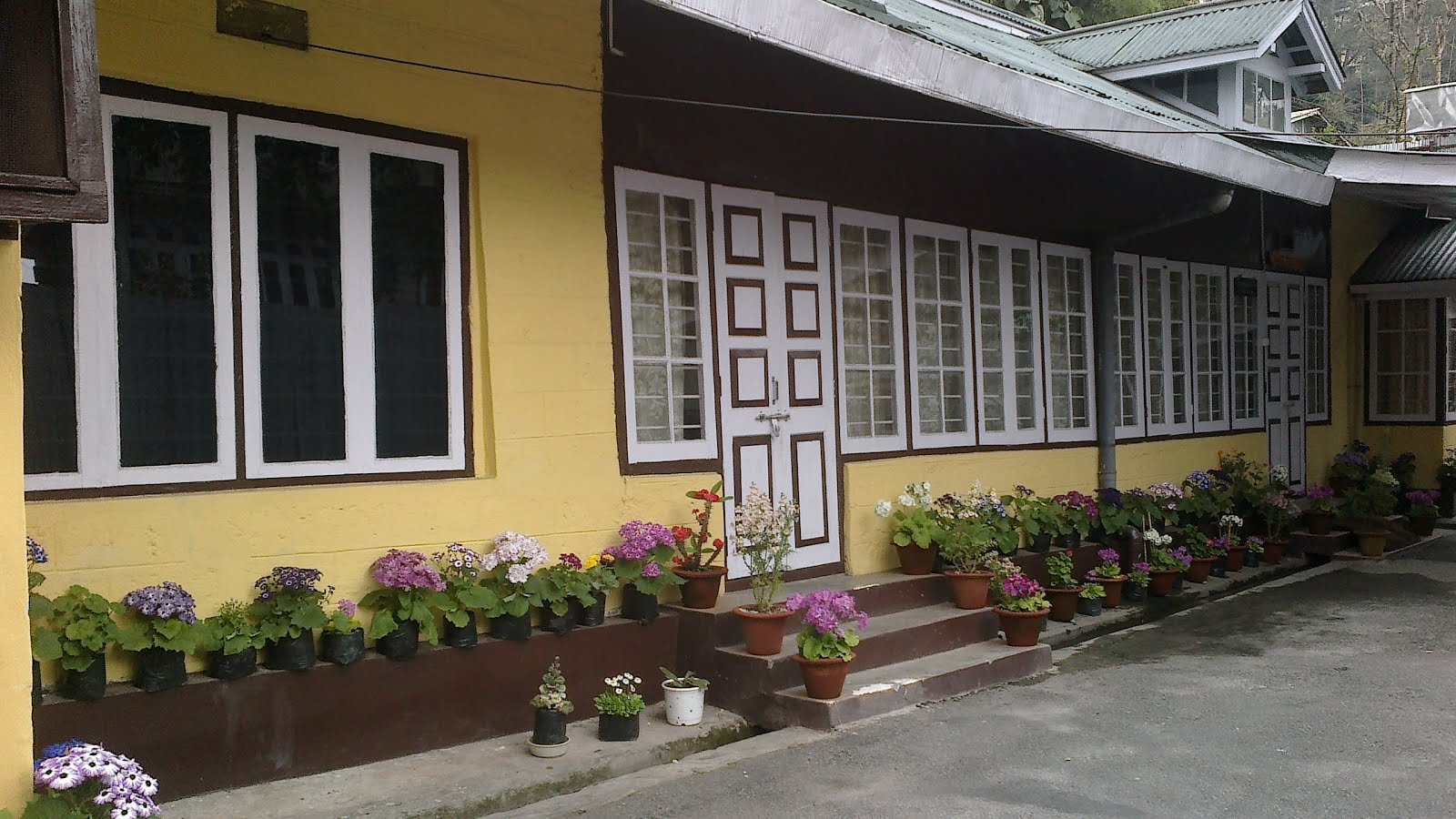
Yellow Villa

Yellow Villa
Gangtok

Sparkling Rai Saag

Sparkling Rai Saag
Gangtok

Lovely Poppy Flowers

Lovely Poppy Flowers
Gangtok

A Different type of Seasonal Flower

A Different type of Seasonal Flower
Gangtok

Blue Flavour

Blue Flavour
Gangtok

Pink & White Combination

Pink & White Combination

Dark Pink Flavour

Dark Pink Flavour
Gangtok 6th March 16

Purple Charm

Purple Charm
CS Quarter Gangtok

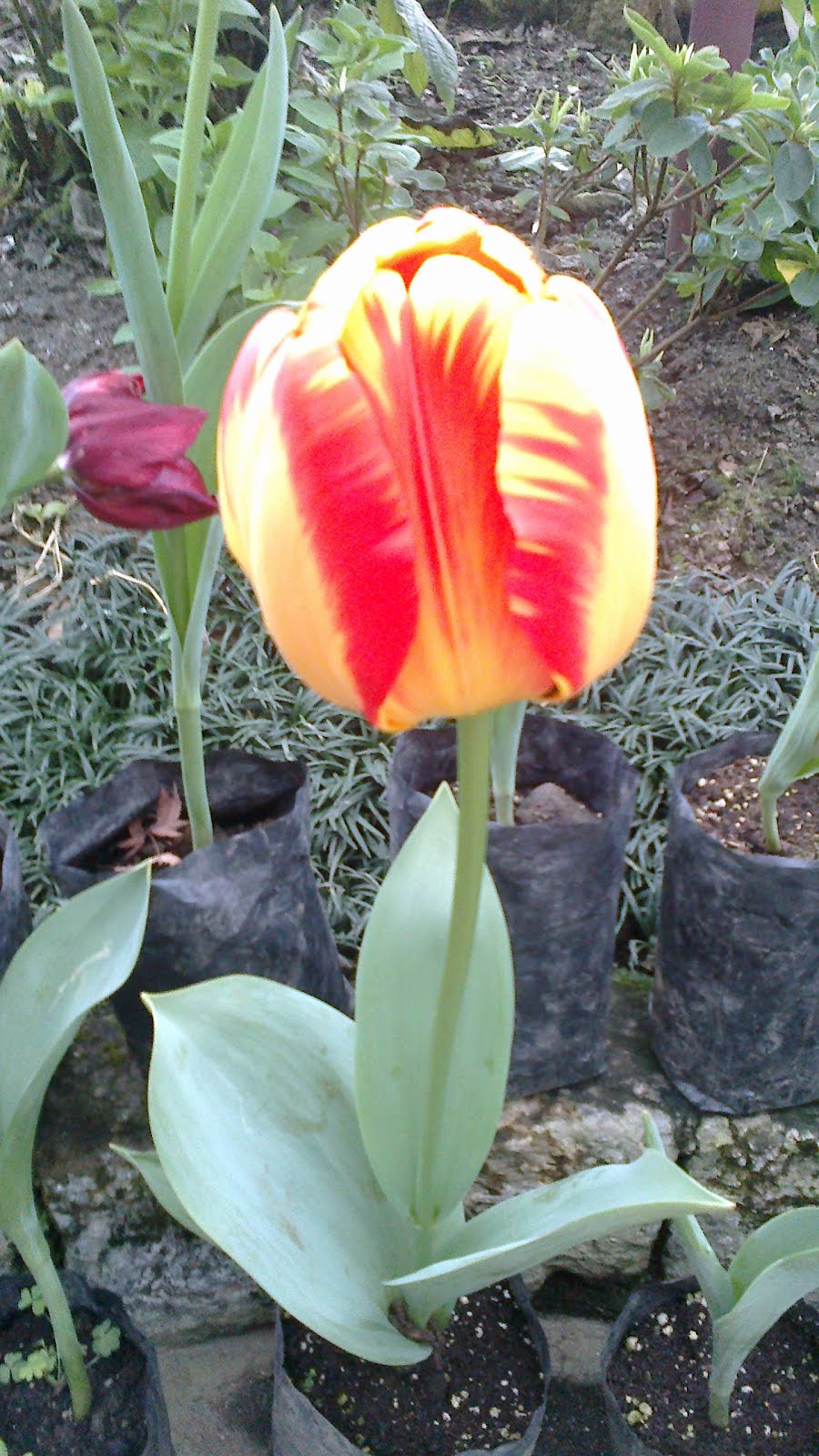
Magnificent Yellow and Red Tulip

Magnificent Yellow and Red Tulip
Conservatory Near Selep Tank

Charm of Red Tulips

Charm of Red Tulips
Conservatory near Selep Tank

Lord Buddha

Lord Buddha
1-D Terminal New Delhi

Attraction of Red Panda

Attraction of Red Panda
Saramsa Garden

Lord Ganesh made of oranges

Lord Ganesh made of oranges
Saramsa Garden

Charm of Seasonal Flower

Charm of Seasonal Flower
Gaurds Ground Gangtok

Unmatched beauty

Unmatched beauty
Sikkim Organic Festival

Green is always soothing

Green is always soothing
Sikkim Organic Festival 2016

Yellow Orchid

Yellow Orchid
Somewhere in Gangtok

White Orchid

White Orchid
Manan Kendra

Purple Orchid

Purple Orchid
Manan Kendra, 31-10-2015

Gift of Nature

Gift of Nature
Near Cherry Building

Majestic View of Sea

Majestic View of Sea
Marina, Chennai, 19-10-15

Typical Sikkim Pillar Carving and painting

Typical Sikkim Pillar Carving and painting
Hotel Nork Hill

Mirror Reflection, Changed Angle

Mirror Reflection, Changed Angle
Nork Hill, 24-11-2015

Mirror Trick

Mirror Trick
Hotel Nork Hill, Gtok, 24-11-2015

Yes we have the power

Yes we have the power
Qtr at Devt Area, 25-11-2015

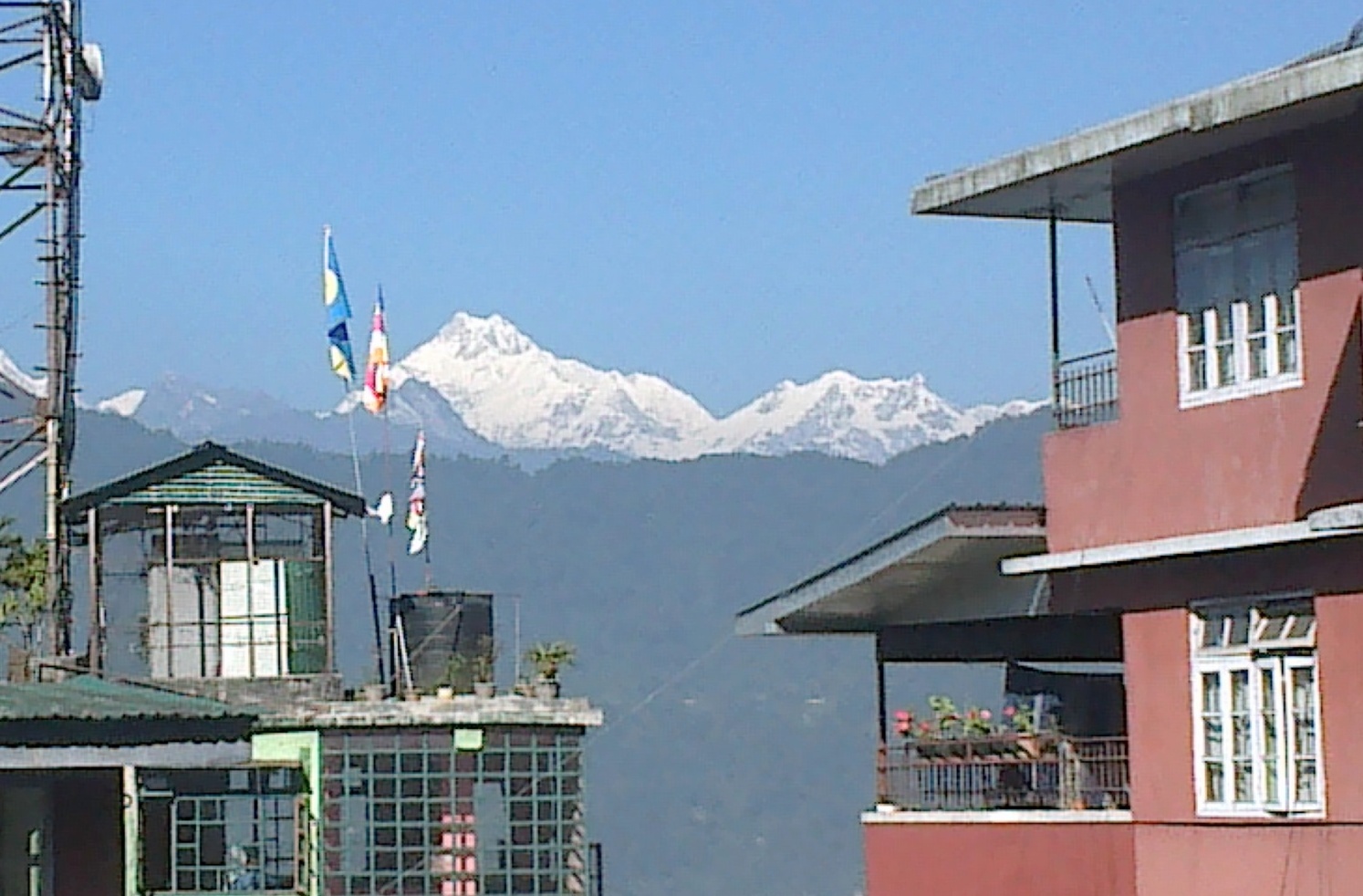
Majestic View of K.jenga from SLA

Majestic View of K.jenga from SLA
Gangtok dt 20-11-2015

MIRROR IMAGE OR COMPUTER TRICK

MIRROR IMAGE OR COMPUTER TRICK
NEW DELHI 22-10-15

BRILLIANT KATHAK PERFORMANCE

BRILLIANT KATHAK PERFORMANCE
MRS MALI SMU 13-10-2015

SAROD RECITAL

SAROD RECITAL
SMU CONVOCATION 13-10-15

SHOWCASING SIKKIM CULTURE

SHOWCASING SIKKIM CULTURE
ITM GANGTOK 14-10-15

RED BEAUTY

RED BEAUTY
GANGTOK

ARCHITECTURAL MARVEL

ARCHITECTURAL MARVEL
MAYFAIR GANGTOK

OM NAMAH SHIVAY

OM NAMAH SHIVAY
MAYFAIR GANGTOK 02-11-15

Smile and Joy

Smile and Joy
24th September Delhi

Catelia Orchid

Catelia Orchid
Gangtok

Beautiful Chinaware Lampshed

Beautiful Chinaware Lampshed
Gangtok

Catelia Orchid

Catelia Orchid
Gangtok on 7-10-15

Morning Glow

Morning Glow
Denzong Regency- Gangtok on 7-10-15

Pink Orchid

Pink Orchid
Pakyong Area

Green Orchid

Green Orchid
Bojeytar Pakyong 26 Feb 15

Tabla or Log Piece

Tabla or Log Piece
HMI Darjeeling Nov 2014

Hand can do anything

Hand can do anything
Birla Science Museum Kolkata

Legacy and Heritage

Legacy and Heritage
Indian Museum Kolkata

Queen Nephretus of Egypt

Queen Nephretus of Egypt
India Museum Kolkata 4th Mar 15

A Buddhist Stone Art Piece

A Buddhist Stone Art Piece
Tashi Delek June 2014

Foot Print of Bason

Foot Print of Bason
Satpura Forest

Foot Print of Tiger

Foot Print of Tiger
Satpura Forest (MP) March 14

Unique Piece of Pine Wood

Unique Piece of Pine Wood

Lovely Twins

Lovely Twins

Pink,Pink,Pink

Pink,Pink,Pink
Orchid,not only Spl ,It lasts longer Also

Clean Water has a Different Impact

Clean Water has a Different Impact
Rangeet at Jorethang ,24-11-14

What a Ravishing Beauty ?

What a Ravishing Beauty ?
Teesta near Kalijhora, 19-12-14

Pre Dawn Captivating Beauty

Pre Dawn Captivating Beauty
K.JUNGA, 6:20 AM 18 -12-14

Another Dawn View -Different Angle

Another Dawn View -Different Angle
K.JUNGA, 18-12-14

View at Dawn in Biting Cold

View at Dawn in Biting Cold
K.JUNGA 18-12

Dawn Scene-2

Dawn Scene-2
V Awas 18 -12-14

Dawn Scenario

Dawn Scenario
K.JUNGA

Morning Means End of Night

Morning Means End of Night
K. JUNGA,

View at Dawn

View at Dawn
K.JUNGA 2 ,18-12-14

Early Morning Freshness

Early Morning Freshness
K.JUNGA, 18-12-14

What an eye opener early in the day?

What an eye opener early in the day?
View of 17-12-2014 from Terrace of V. Awas

Another view of full snow around Mt Kanchendzonga

Another view of full snow around  Mt Kanchendzonga
17-12-2014

Magnificent view after bone chilling night

Magnificent view after bone chilling night
17-12-2014

Beauty of Kachendzonga after a cold night

Beauty of Kachendzonga after a cold night
Vidhayak Awas Gangtok

Amazing charm of Green Orchid

Amazing charm of Green Orchid
HMI Darjeeling

Green Orchid

Green Orchid
HMI DARJEELING (13-11-14)

Bell Flower in full bloom

Bell Flower in full bloom

Yellow Orchid

Yellow Orchid
Dec 14 Circuit House

View of Kanchendzonga always inspires

View of Kanchendzonga always inspires
Vidhayak Aawas Gangtok

Cherry Blossom

Cherry Blossom
November 14 Ganesh Tok Gangtok

What a view after getting up ?

What a view after getting up ?
B-1 Vidhayak Aawas Gangtok

Chanda Mama looking at Kanchendzonga

Chanda Mama looking at Kanchendzonga
11-11-2014 VIP COLONY

Red Rose

Red Rose
Gangtok

Cranes having Gala Time

Cranes having Gala Time
Tigaon, Faridabad (2nd Oct 14)

Yes I am from Faridabad

Yes I am from Faridabad
Tiny, Beautiful Bird at NTPC, Ballabgarh (29.9.14)

Water Vital for Life

Water Vital for Life
Awesome view of Teesta near Kalijhora

Yes I had a Bath

Yes I had a Bath
Gladiola at 6200 ft.

Soothing Morning View

Soothing Morning View
Mt. Khangchendzonga from C.House (April, 14)

Natural Yellow Fascinates

Natural Yellow Fascinates
Gangtok (April, 2014)

Flowery Bell ?

Flowery Bell ?
Circuit House (May 14)

Riot of Colour in Monsoon

Riot of Colour in Monsoon
Circuit House, Gangtok(May 14)

Blushing orange

Blushing orange
Circuit House Gangtok (May 14)

Magnificent Taj

Magnificent Taj
Sept 2013

I can lift Taj Mahal

I can lift Taj Mahal
Taj Mahal,Sept end 2013

Natural fan to beat the heat

Natural fan to beat the heat
India Gate (24.08.14)

Engineering Marvel

Engineering Marvel
Coronation Bridge (22.08.2014)

Cascading water, soothing to eyes

Cascading water, soothing to eyes
Scene near Teesta Baazar (22.8.14)

Teesta attracts at every bend

Teesta attracts at every bend
16.7.2014

Monkey jump

Monkey jump
Teesta River, Birik(22.8.14)

Onset of Night

Onset of Night
Qutub,Sept.13

Qutub,Dusk Scene

Qutub,Dusk Scene
Sept.13

Together we take a Plunge

Together we take a Plunge
Clean Calicut Beach, Feb-2013

Setting Sun, always soothing

Setting Sun, always soothing
Dusk at a Gaya village(15.5.13)

Green Paradise in Concrete Jungle

Green Paradise in Concrete Jungle
Lake surrounding Purana Quila(20.10.13)

Saturday, November 22, 2014

Passage To Darjeeling


It is always desirable to have some perspective on connectivity in a hill area prior to undertaking a journey. With this factor in mind, if one sees the concrete bridge at Teesta Bazar(55 kms from Siliguri), one gets only partial information relating to breaking of the vital links of Gangtok and Kalimpong more than once with the rest of the country. Januki Chettri, a knowledgeable, affectionate and talkative tea shop owner at the old Teesta Bazar since 1962 had some experiences to share on the region as also life per se. Before I begin gulping fresh vegetable Momos made by her followed by a cup of milkless and sugar free leaf tea, I am informed that upto 1968, an attractive concrete bridge in the genre of the present Coronation bridge at Sevoke was in existence till the devastating floods swept the same away.  Some portions of same could be still seen near the beautiful river bed on the Kalimpong side of the river.


It was nice to see the black & white snaps of all the three bridges along with scenic spots of the bygone era, including of the snowfall in Kalimpong in 1920, displayed prominently in Januki’s shop. The request to be taken note of was-‘photography of the photographs was not permitted’.  The Foot Suspension Bridge (FSB), according to Januki, served the purpose as late as 22nd 
June, 1996.The FSB was, nevertheless, hard pressed due to its being narrow and weak. The perpetual landslides in the Lekhobir region in the late Eighties and early Nineties would add to its burden. The relocation of bridge had adversely affected the business of the petty shop keepers initially according to her but lately with the rise in tourist inflow to Kalimpong and Darjeeling, same had been compensated to a considerable extent. Left to herself, she had no desire to supplement her income as she was not only getting old day by day but was destined to leave this world some day. It was the turn of her off-springs, therefore, to further improve upon and build her business. A Sapoot (good boy/girl) would be always positive and pro-active, while a Kapoot (bad child) would prove to be a liability , she adds as I prepare to hit the road again to resume my journey up for Darjeeling through Jorebungla.

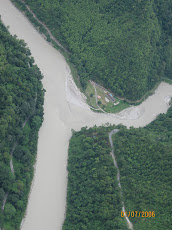
The narrow, steep road through the lush green forest reminds me of the Jorethang-Zoom road in Sikkim. One gets a panoramic view of the blue captivating colour of the Teesta river. After barely 3 kms, though we had not planned, we have a brief halt at the –“Lovers Point”. One is blessed with a ravishing view of the confluence point of Teesta and Rangeet, two major rivers figuring in the local folk-lore time and again. Though the scenario is somewhat hazy, there is no harm in capturing the beauty, as a number of soft-wares are available nowadays to edit and improve upon the snaps.

Following a steep drive of 8 kms, one sees the first Tea Garden next to a school with bright yellow sunflowers of medium size giving company. Less of constructions over here as compared to Sikkim looks more pleasing. After all, it could be good for preserving the environment in the ultimate analysis. It is a bright, sunny day and definitely less colder than my abode in Pine dominated locale of Gangtok. While the gradient rises, less of water is seen flowing on the sides. Now the attractive Marigolds are there to dominate the scenario on both the sides. A couple of small and clean hamlets appear every now and then. While the women are seen enjoying the sunshine, children are noticed rushing to schools in their clean dresses. Tiny Chortens too appear on the fringes reminding one of the Buddhist impact. Soon we notice red flowers on the highway against the backdrop of another tea garden. A photo opportunity was not to be missed here.

By the time it is 9 am and barely half of distance was found covered, we decide to hurry up or else we would be late for the 10.50 am Diamond Jubilee Function of the HMI. The milestone displays that Jorebungla was still 18 kms. Another tiny village surfaces. Nice and clean tea shops and convenient & eco friendly Ekra houses having lovely flower pots on their windows and balconies convey a different tale than what one sees in the plains. No apparent struggle for life is visible. Populace in general looks contented and satisfied.
Another halt point comes near a steep gradient. One never knew that Lopchu, famous for its Peda and tea by the same name had come. A bunch of pink flowers, may or may not be orchid, was simply stealing the show in the close vicinity of a newly constructed Nepal style temple and a carved house under construction. All said and done, very few houses were found added compared to my last visit in 2006. Appearance of tourist vehicles and way side amenities would point out that tourism was booming further.

When the watch shows 9.25 am, nice, tall pine trees together with Utish appear on both the sides of the steep and isolated highway. Sunlight in a filtered form impresses. Soon the gradient improves. Though the visibility is better on this side, in neighbouring Sikkim nothing can be seen. A big blue gate put up by GREF welcomes us to Lamahatta, a quiet but soothing tourist point having tea joints, pay toilets and home stays. A number of Ekra houses dot the line again and there is no visible or felt sign of pollution. The boys wearing maroon sweaters are seen going to their nearby schools. Two boards put up by the State PWD make a loud and wanted statement-Don’t use mobile while driving and Don’t play with the life of a passenger. Ferns and Marigolds begin appearing on the sides as we move forward. Number of vehicles coming back from Darjeeling now rises. Road too gains in width. It is nice to spot monkeys at this height, playing and running after each other.

At Tukdah (6th Mile), a Safai Abhiyan presumably initiated by the Forest Dept. is in full swing. Participation of the villagers is prominent. Soon the vegetation changes. It is a sign of getting closer to our destination. At 8 km point, a resting place for the tourists is discovered. We too halt for a while and complete the breakfast. The bottled water tastes cold due to rise in altitude. We pick up momentum and manage to reach Simkuna Bazar or the 3rd Mile. Jorbangla is now 4 kms. away. Next a sleepy hamlet and a township emerge from fog and cloud. Despite greenery all around, it is painful to see water being collected and taken to the main town in tankers. In the meanwhile, road becomes bumpy but the parapets are nicely white-washed. When we are 1 km short of Jorebangla, lovely houses appear on the other side of the hillock. There is no congestion, however.

Jorebangla town looks cramped up, does not inspire, though we did not have time to feel and roam around, either. Jalpahar Cantt. is also located here. The historic Himalayan Railway making a foray from Kurseong takes a sharp turn here to move towards Darjeeling, barely 9 kms away. My memories of the legendary movies-Jhuk Gaya Aasman, Aradhana, Parineeta etc. are refreshed when I see the toy railway criss crossing the now narrow highway.

Approaching the Ghoom Railway Station at 8000' was quite a delight. Built in 1861 it was the highest station in the World till 2006.Its heritage structure deserves better maintenance. The Batasia Loop attracts a large number of tourists. One can see the Ghoom Monastery and some places in West and South Sikkim from a viewpoint. The golden statue of Guru Padmasambhava at Namchi is also visible by a binocular in the clear weather.

While we drive down for Darjeeling, people are seen walking for work but the shops are yet to roll up their shutters. The railway line changes sides every now and then. Weather is also not very clear to pep up enthusiasm. The British era houses are seen blending well with the new constructions. The famous tea companies-Margret Hope, Goodriche, Golden Tips, Nathmulls, Orange Valley, all are seen now competing with each other through impressive hoardings. For Margret Hope of Kurseong, it is a moment of tremendous joy, as this biggest tea garden of the area is on the verge of celebrating its 150th anniversary. 

Margaret Hope, once called Bara Ringtone was reported to be linked to a tragedy concerning its manager's daughter at the onset of 20th Century. Margaret, the daughter, having come from Britain, fell in love with the beauty of these slopes so much so that she decided to settle down here for good. But she had to return with her mother. Luck was not on her side when she was indisposed during her four month long journey and ultimately expired aboard. Mr. Bangdon, her father while walking through the tea estate would remember how Margaret had 'hoped', she would live, therein. It is supposed to have inspired him to rechristen the estate "Margaret's Hope".  One further learns that as a polite gesture and recognition for hard work with low wages (four Annas to Rs 7/-a day), rendered by 98 year old Purney Subba, the company has decided to honour his contribution by naming a variety of tea after him. Do we say -'Slow and steady wins the race'?

Being engrossed in tea tale, we miss a part of first few significant views of the vast hill station of Darjeeling. A large Monastery complex is not to be missed, rather we pass next to it after some time on the famous Hill Cart Road. More tourist taxis are seen now. Hoardings and buses of the famous Darjeeling schools too are occupying the limited space on the highway. More and more of traffic means slow movement of vehicles. As a result, we are supposedly behind schedule. The place feels colder than Gangtok, maybe, being about 1200 feet higher. While one feels happy again on seeing the Safai Abhiyan here as well, nothing brings more joy than the sight of the Darjeeling Railway Station. Imagine hearing Chuk Chuk at this height.I am reminded of my last visit in 2006 when Ankoor was still alive and kicking.
One passes through the Planters Club roundabout, Hotel Elgin, Hotel Mayfair, Raj Bhawan and Padmaja Naidu Zoo to reach HMI 30 minutes ahead of schedule. Mountaineers, trekkers, trainers, officers, staff and the immaculately dressed Sherpa community members (reduced to 55,000 in the Dist) add another feather to the cap of the famous institution, which was a brainchild of Jawaharlal Nehru.


Delay caused in the arrival of the chief guest did not kill the bonhomie, nor it dampened the high spirits of the organisers. On my part, in addition to rubbing shoulders with old pals, it was good to see the Suite number 1 at Dzongrila, once occupied by Mrs.Indira Gandhi, as P.M. and President of the HMI.I too had used it with my family in 2006.Apart from being given the opportunity to present my books on Sikkim Tourism and the Biodiversity of Sikkim to the HMI library with a view to disseminate knowledge, I had the pleasure and privilege to be declared as the Special Guest during the impressive cultural evening. The Pre-Dinner Camp Fire too cannot be forgotten easily. The show begun on 13th November 1954 had to move ahead with more vigour and vitality and the trainees had to climb peak after peak by remembering the tough struggles of the legendary Tenzing Norgay Sherpa. 

Friday, November 7, 2014

Barber Needs To Be Taken Care Of


Barber is an indispensable service provider. He is needed on a day today basis mostly for hair-cut. Till recently one would go to him for shave as well. In good old days, when life was simple and distances were short, he would pay a visit to a house to undertake shave and offer a head & neck massage on the one hand and back & feet on the other. While for a 'cut', a visit to a Barber's shop is a must, shaving has become a self performed activity and for any pain or ache, one takes recourse to the pain killers, prescribed or self-medicated.

Barber or Thakur or Hajjam has been and will be an integral part of the birth, Upanayan (sacred thread ritual), marriage and death ceremonies in a religious minded and tradition bound Hindu family set up. Apart from playing second fiddle to the more respect commanding Brahmin priest, he tries to cajole the head of a family to provide him additional 'tips' vis-a-vis his usual ‘entitlement’. He also expects to receive patronage if the basic tenets of age old Jajmani system are to be invoked in letter and spirit.

While the priests confine themselves to their own households and temples, a Barber, on an average, is in a position to set up his own shop or sit on foot-path to earn his livelihood. When we were still predominantly rural economy, they would move from house to house to perform various rituals. In the changed circumstances, they are mostly in a position to supplement their normal income by doing facials and dyeing of hair. It goes without saying that a Barber's place is synonymous with gossip and rumour mongering.


A Beauty Parlour perhaps could be termed as the latest, rather the upgraded version of a Barber's shop. Two differences, however, are noticeable-both men and women avail of services and there is no longer a caste bar on the person holding a scissor. An individual of any caste or class could be trained and perform functions of a beautician and the bar or taboo on women to have a hair-cut, facial, eye-brow make-up, pedicure or manicure is no longer there.

Coming to the experiences of the self, my visits to a Barber's shop are once in three months. That too merely for a cut of the grey hair that has managed to survive. Years ago when hair was dense and jet black, one would que up for a cut once in one and a half or two months. One did not have any fancy for a particular style as such. When multi-star movies began dominating the spectrum in the Seventies, one would not mind having long hair of Amitabh Bachchan, Rajesh Khanna, Sanjeev Kumar or Sunil Dutt kind. For women, Sadhna cut will always be in fashion or style.

Jai Jawan,Jai Kisan Saloon in a prominent street of Main Road ,Ranchi had an 'expert' hair cutter cum dresser by the name of Ranjit. He would also pursue his Graduate studies, side by side. Being a student himself, he would easily strike a chord with the young generation and earn a sizeable sum for his family. One had all the time in the world to wait for two to three hours in order to have a 'crowning glory' of choice, courtesy him.

Two of my recent visits to a Barber's shop have prompted me to pen these lines. The first was in Bagdogra in West Bengal when I needed to shave my long beard after a gap of 11 days during the Shradh or Pitripaksh period. Ramprasad, the old, unassuming man in his late fifties offered me three kinds of services-Rs. 10/- for shave by soap, Rs.15/- by ordinary cream and Rs.20/- by the best cream at his disposal. Not to take any risk on the health front, I settled for the last one. He spared full twenty minutes and did his job nicely. I was having a shave in a shop after a long time and it was worth it. While the act was on, he did not pose any questions. However, my own queries revealed that with his meagre income of Rs.13,000/- a month, he had to support a large family. Being a resident of a suburban area, he of course had to pay relatively a low rent but 'business' per se, too was not lucrative all the time. Usual tale of irresponsible sons and duty bound & educated daughters were heard. Only career option for the latter was to 'push' them unwillingly into marriage at a relatively young age.

My last interface at a Barber's shop was perhaps more interesting. I visited Md.Mohsin at Tibet Road, Gangtok for the second time in four months. When I had visited last, I had faint memories of having got my first haircut of Gangtok at his very shop way back in September,1986. He confirmed during the course of congenial conversation that he was running his business at the same place for 40 years or so. From a modest rent of Rs.300/- per month, he was now required to cough up Rs.5,000/-. Apart from the sharp rise ,he appeared concerned about having no fixed periodicity for an enhancement. Mostly nowadays, same would happen once a year or at an interval of 18 months. Another issue according to him was lack of legal support to the petty tenants like him as compared to his brethren in West Bengal or Bihar, wherein they could not be evicted easily.

On the family front, he had married off his two daughters, while his eldest son not trained as a Barber but as a Welder in Delhi, was waiting at Mumbai to grab a high income job opportunity in the lucrative pockets of the Middle East. His other two sons were in the 9th and 6th Class respectively at a village in Muzaffarpur Dist. of Bihar. It is a common practice in all such families that the head earns a hard living away from home while the wife keeps the home fire burning by looking  after the children and the sub-divided and fragmented pieces of agricultural land, all alone.

My being born in Muzaffarpur led Mohsin to perform his act with more care and interest. In a package of Rs.50/-, as compared to Rs. 30/- at Bagdogra, he trimmed my moustache in addition to the hair-cut, Nonetheless, I decided to pay him additionally for the latter, having discovered a separate rate.

When I was leaving his shop after feeling fresh and relieved, it had turned dark and cold. Street was no longer abuzz with activity. While exchanging Bye Bye and Thank You, Mohsin did ask about my off-springs, When he heard that the only one which I had ,was already lost 3.5 years ago, he felt a pain deep in his heart. Expressing his fatherly instincts subsequent to a silence of few seconds, he uttered- "Whatever the Maalik (God) gives, we have to accept". I could not possibly disagree with him.

Thursday, October 30, 2014

Crane and Crows


North Block, Delhi (24-10-14)

Yes, I Can Stand On My Own and Get Noticed

Magic of Diyas and Candles

Deepawali, 2014

A Small Earthen Lamp has all the power

Burning bright in darkness (Diwali, 2014)

Diwali on Terrace

Bapa Nagar N. Delhi (23-10-14)

What a view from roof top?

B1, Vidhayak Awas, Gangtok

5:35 A.M. Pleasure

VIP Colony Gangtok

Mt. Kanchendzonga - view at Dawn

VIP Colony, Gangtok (27th October 2014)


None Of The Above (NOTA): Will it succeed?


Considerable Work seems to have been done over the last two decades in the crucial area of electoral reforms.  Like any other field of activity touching the interest of the common man, many initiatives were not liked to begin with but with the passage of time the stake holders in question had no choice but to accept and tolerate, more so, in view of rising awareness attributable to rapid rise of satellite television, judicial activism and more recently, RTI.

Of all the measures, EVM has been the real mile stone or game changer, side by side with substantial control over muscle power and sizeable suppression of liquor power.  Despite all this, some unfair means still go on, whether it is the phenomena of silent booth capturing or someone else helping an illiterate woman right on the EVM without any objection from the Presiding Officer or agent of a candidate.  Also showing might at the entrance of a centre or a booth with a view to deter the poor and socially disadvantaged, continues.  It would be impossible to have a complete fair play situation even under the changed circumstances.  But as long as vote percentage multiplies and order is maintained, that should help.
The latest landmark or measure has been the availability of NOTA (None of the Above) option with the voter.  It is being implemented following a path breaking ruling of the Apex Court dated 27th September 2013 in Writ Petition (C) No. 161 of 2004. ECI was directed to make necessary provisions in the ballot papers/EVM’s for NOTA option so that electors who do not wish to vote for any of the candidates can exercise their right not to vote for any candidate without violation of the secrecy of their decision.  Thus the Supreme Court upheld the right of voters to reject all the contesting candidates, saying it would go a long way in cleansing the political system of the country. 

Before the NOTA became a reality, voters casting negative votes were required to enter their names in a register and cast their vote on a separate paper ballot.  Altogether eleven countries including Bangladesh already have allowed NOTA.  Hence, it is not peculiar to the Indian system. 

As it does not require involvement of the Presiding Officer, it should serve the intended purpose and not block or postpone a decision.  Rather, it is expected to work for facilitation of same.

During the elections to the Assemblies of MP, Chattisgarh, Rajasthan, Mizoram and Delhi held in 2013, more than fifteen lakh or 1.5% of the total voters used the NOTA option for the first time.  Similarly, in the course of recently concluded elections to the Assembly of Maharashtra, 0.9% or 4, 82, 574 voters exercised this option, while in respect of Haryana, merely 0.4% or 53, 608 opted for it.  In Maharashtra, tribals used it most, reportedly to express their dissatisfaction with Government policy.  The voters who preferred it were more than the votes cast for the established parties, such as, CPI (M), S.P., Swambhimani Paksha etc.  NOTA, in addition, was found to be more prominent in Marathwada area.   

The trend of NOTA in respect of two constituencies of Haryana (89 & 90 A.C.) during the Assembly elections was also gone through and analysed.  In the first constituency, NOTA had fifth position in a nine cornered contest.  The average preference for NOTA per round was 74 out of an average count of 8584 votes in one round in 89 AC while these figures were 72 and 10654 respectively in 90 AC having twelve contestants.  The first constituency, incidentally was completely urban.  
NOTA goes on to show disenchantment and dislike for the candidates put up by the major State and national parties on the one hand and a general apathy or lack of interest for asserting one’s rights for bringing change.  If the emerging trend continues, it may lead to notification for polls yet again in some constituencies, resulting into more expenditure, law and order complications and confusion.  However, it would be too early to seek a review of the decision.  One will have to wait and watch by giving adequate strength to the feeling that the gamut of politics badly needs good, educated and experienced persons, who have to work with as also to take work from the public servants, many of whom being shirkers.  

Thursday, October 23, 2014

SURAJKUND,DOWN MEMORY LANE


                                        Following the hectic poll process of 24 days a well deserved relaxation was called for. One could have stayed back in the NTPC complex, Mujedi (Neemka) or in the quiet abode in the heart of Faridabad but after a review and rethinking I settled for inspiring and isolated setting of Hotel Rajhans at Surajkund.
2. The evening could be very partially utilized. After sipping self prepared tea, Chinese dinner was a quiet affair. Less of salt and sauce could have done, though the care and courtesy of the staff was outstanding. Going down the memory lane, I witnessed the remarkable decade or more old theme State structures in semi-darkness situation. Thereafter, a gentle stroll around the hotel corridor took place. Taking a round of large and impressive swimming pool area was exciting at night. One fondly remembered one's first swimming pool 'bath' of 1996.

3. During the current stay I occupied Room 101.Thirteen years ago some other comfortable room was allotted to me as a guest of Haryana Tourism. After detailed discussions and persuasions, we from Sikkim had won the 'bid' to become the theme state of the then internationally famous Mela. Offering me hospitality was part of the deal. My last visit to this place was in Feb.2003,when Uttarakhand as a theme State had erected a permanent replica of Badrinath Temple. Navraj Nain, my dynamic batchmate who was M.D.,Haryana Tourism had played her role to perfection.
4. When I am scribbling these lines at dawn in a corner of the lawn overlooking dried up Surajkund, far off in the area peacocks have not only got up but by their soothing        calls are attempting to wake up all. This large National Bird has its own charm and charisma. One saw scores of them walking gently all over the place in Rashmipuram for little over 3 weeks. I also saw exactly 20 of them in Kheri Kala village of Tigaon, one evening while retreating from a long but satisfying tour. They are very good to look at. But the moment you try to get closer they sense it instantaneously, speed up their walk and simply fly off in no time. You cannot even adjust your camera angle. Closest shot I have managed, was once each in Rastrapati  Bhawan in 2013 and in a heritage hotel in Jaipur in Feb.2014.Latter looked like a pet.

5. My first 'revisit' is to the Sikkim Gate, I went out of way to build as a gift of the theme state in 2002. I was so happy when it appeared before my eyes after good 11 years . I saw it , went near it, touched it , took a round prior to taking photos from different angles. Felt elated and satisfied. Afterall , the Mela authorities had managed to retain its true colour including over the ceiling , having commited a mistake once in the past.

 
6. The mud walls and parapets close by, reminded me of the eight lucky signs and various Buddhist icons and symbols , we had got painted with care and interest. Five giant fibre masks were especially fixed at prominent points .A painting showing early morning view of Mt. Kanchenjanga over the backdrop of’ Natyashala’ was an outstanding piece of art. It was now no where to be seen as the venue itself was shifted. The ‘Apna Ghar’ , wherein the lifestyle of three ethnic communities of Sikkim was depicted, was being demolished or repaired for a fresh use . The new Apna Ghar of blue and white colour, as opposed to mud walls of earlier version, was a poor reflection of its old , serene self . It did not have a tinge or semblance of tradition. Instead, it looked like a portable Tent House creation.

7. The Chorten (memorial) , the additional structure gifted by us, though maintained well , had lost its original white colour . The present pink coloured piece was also devoid of its miniature statue of Lord Buddha . A glance of nearby stalls and the’ Chaupal ‘right opposite, brought back fond memories of complementary stalls made available to our craft persons and handloom workers as also unimaginable international exposure to the dancers and performers. All this happened upon incurring a meagre expenditure of Rs 7 lakhs . Apart from ensuring a good market ahead for our products and giving me a different kind of job satisfaction , the opportunity in Feb 2002 enabled me to get a documentary made on our rare participation in addition to writing the first book by me on the magnum opus of art and craft world that Surajkund fair had become by then.
8. One also quickly saw a couple of permanent structures left behind by the theme states since the year 1989.Being attached to the place, I cannot resist the temptation to offer comments on the present state of the theme structures. On the positive side, Vishnupur Gate of West Bengal, Danteshwari Gate of unified MP, replica of Shah Hamdam Dargah of J&K, facade of Badrinath Temple of Uttarakhand, Kangla Sanathong of Manipur, Char Minar of Andhra Pradesh, Arjuna's Penance Wall of T.N.,Trimurti of Elephanta Caves of Maharastra and Rang Ghar of Assam not only impress in terms of upkeep but they turn out to be fine specimens of art & craft.

9 .While the Kottayambalam Gate of Kerala and a non-descript Gate of Chattisgarh together with a replica of a chariot kind of fort need to be repaired and restored, the original pink colour of Gujarat Gali has been substituted by a coat of mud. On the whole, it looks neglected and deserted. It is bound to be dilapidated soon. The entire village has been kept clean and green with bright signages. However, building of a wide central road could have been avoided. Neither it should give an urban look, nor should it bolster the spirit of fast drivers. The main Kund too has dried up. It needs to be revived. Further, looking at the things in retrospect, it appears as if the very concept of Theme State is getting eroded, if not exhausted.
10 .Having said so, I am reminded of a relevant and pertinent question posed by our only late child, as a student of Class VIIth in 2002-"When the organisers run short of the theme states, what will they do ?"Instead of I finding an answer despite thinking and pondering over, he himself responded the very next day in form of a suggestion-"They should go for theme countries in the next round." Probably he meant countries with a rich art and craft traditions.

ARE SURAJKUND ORGANISERS LISTENING ?

Tuesday, October 14, 2014

WILL MISSING CHILDREN GET THEIR DUE NOW ?


Day in and day out, for various reasons, children, the most loveable and innocent lot, are found missing. Most of them fall in wrong hands in the prosperous pockets. Parents of such unfortunate offsprings only can feel as to where it pinches and how it pinches. Needless to say, due to them a number of professions and industries thrive, such as, Bidi and Fire Cracker, flesh trade, restaurants, hotels and what not. Films have not only taken a cue but have also highlighted the phenomenon, apart from minting money from such themes. Owing to feudal nature of our social system, most of us did not even realize if there was some violation somewhere till same was pointed out, till public interest litigation by an interested person led to some Court order or ruling.

 Having realized the gravity and enormity of the situation, the Supreme Court has issued detailed guidelines on 14/11/2002 in Writ Petition No. 610 of 1996 (Horilal vs.C.P.,Delhi).It led to setting up of a special Cell on the issue in CBI and constitution of a Committee in NHRC in 2007 which also issued a series of guidelines relating to missing persons desks in police stations, inspection of the places employing children by the Dist.administration, mandatory reporting within 24 hrs to the NCPCR, active involvement of Punchayati Raj bodies and Municipalities, Resident Welfare Associations, and NGO’s, focused reporting by the media, regular sharing of information by the states, etc.

Despite meetings, conferences and reviews the issue of missing children continues to be grave. In view of the fact that it is also a human rights issue, it should be considered so by all the stakeholders-Government at all the levels, NGO’s or society at large. The number of children engaged as domestic help and bonded/child labour, afterall, is mind boggling, while conviction rate in identified cases is not even 1%.

Simply reporting is not important. They have to be traced, guided or educated and then rehabilitated. There is also an immediate need to pinpoint run away children, those found abandoned, neglected children and the vulnerable category found roaming at melas, traffic junctions, bus stands and railway stations. Last named group, invariably lands up in illegal factories and brothels.

In this depressing backdrop it is heartening to note that Sri Kailash Satyarthi, Indian Child Activist and Ms. Malala Yousafzai, Pakistani teen activist are going to be jointly awarded the coveted Nobel Peace Prize for 2014 for their laudable works on promoting child rights in the "troubled sub-continent"'. K.S., a former Electrical Engineer from Vidisha in M.P.is running an NGO-Bachpan Bachao Andolan" since 1980 for rescuing children from forced labour and trafficking. Malala,the youngest ever person to get the award survived a devastating Taliban attack two years ago. She has been advocating education for girl child side by side pursuing her own school studies in Birmingham ,U.K.


The jury of the Norwegian Peace Prize Committee has felt that “the prize was to be awarded to both for their struggle against supression of children and young people and for the right of all children to education.’’ In addition, the Committee is of opinion that Satyarthi has maintained the tradition of Mahatma Gandhi and has headed various forms of peaceful protests. Satyarthi, whose NGO has reportedly rescued over 80,000 children from forced labour and trafficking, has reacted by saying that this global recognition would encourage him into further action to try and eliminate child slavery.

It is a matter of strange coincidence but pride that two luminaries from the sub-continent have been chosen for a common prize at a time when ties between the two neighbours have touched a low point. Rather, intermittent firing from across the border has affected 700 houses in three border Districts of J&K. Needless to say, children and senior citizens are the worst affected lot.

It is equally perplexing to note that Malala, who was nominated for the same prize in 2013 when her wounds were  still fresh and thereby she was not in a position to muster enough courage and conviction to address a world gathering ,has not done anything substantial in one year ,yet her claim to fame this year became much more stronger.

Thirdly, since the prize is proposed to be given jointly, it would be unfair to equate Satyarthi's long struggle in his field to the "beginning" just made by the youngster. There are many other unsung and unreported young heroes and heroines like her ,but,but,but........ Idea is ,nonetheless, neither to ignore her trauma nor belittle her acts of bravery, subsequent to the lethal attack on her head and shoulder. She could survive in a  situation wherein the phrases mercy and compassion are  not supposed to be heard .Do justice in the name of Jehad, kill innocent people for tiny issues ,such is the slogan of the self proclaimed agents of God.

But for an anonymous diary in the form of a blog published between January and March,2009 on BBC Urdu,this heroine of a Pashtun folk tale would not have attracted any public attention. She is supposed to have indicated how girls were made to struggle for getting education in the Taliban controlled Swat Valley.She would speak her mind freely and fearlessly.

It is not that the women and children in this beautiful valley are suppressed more than their counterparts in Afghanistan but the latter, one supposes, donot have any courageous spokesperson of the kind of Malala. Strangely, otherwise immune and ineffective Govt.of Pakistan not only provided her the best medical treatment in the country and abroad ,it also conferred the National Peace Award on her prior to her being nominated for the International Children's Peace Prize.

To sum up, suffering of the children in general and those who languish in bondage in the brick kilns, stone kilns, roadside eateries, cottage industries as also the “decent families” is likely to be better heard and responded to with the announcement of this years Nobel Prize. Satyarthi, an activist of three decades has rightly stated that it is a curse on the face of the humankind that children are born in such a state of tension and violence.When will the estimated 16 Crore children get liberated ,we need to ask ourselves.It is certainly a blot on the country, if not only on humanity.

Talking of facts and figures,it is after a long gap of 35 years that an Indian ,after Mother Teresa has been chosen for his work not exactly on peace but against a sustained activity that has propensity to disturb peace. Yet the majority do not bother as long as they can avail of the comforts and pleasures of life at the cost of little children.

Mahatma Gandhi was nominated more than once for the Prize but was never conferred. So Satyarthi is perhaps  right in saying that “Had it gone to the Mahatma before me ,I would have been more honoured”.


Tuesday, October 7, 2014

Mental Poverty In The Midst of Economic Prosperity


One has not come across such a hot, sultry and irritating September and October. It may be owing to 12 % deficient Monsoon. Going through the heat and dust, therefore, in the thick of election process in this booming ‘Nagri’ of real estate is an experience in itself. Nilgais, Peacocks, Koels, Crows and several other species of birds in the artificial green surroundings, however, tend to brighten up the spirits at dawn and dusk. If you watch them closely, they do have the power to inspire and  energize you.


Electoral momentum is yet to pick up in towns and villages, though in Assembly elections, issues are supposed to be more intense and focussed. But party flags are fluttering and graffiti is being seen with or without permission.   Deep inside, away from the wide highways, sometimes full of garbage on the sides, one notices palatial houses with latest tiles and fittings even on boundary walls. Marble and Granite floors and walls are very common. Unfortunately, the imposing dwelling units have few occupants. White Cranes are visible in every nook and corner. Despite sour ground water, agriculture is a profitable proposition. Assembly of mostly senior citizens, sometimes enjoying hukkas is the characteristic feature in the central places of the villages. Women in “purdah’’ do make an appearance, off and on.
Real Estate market may be reported to be down but massive constructions in unthinkable places (close to stinking and filthy drains and the so called Agra Canal) continues to be a thriving industry. Not everyone buys a house or a flat for living purpose.  The decisions are taken, mostly by the Delhi-ites, from an investment angle. People of different income groups travel long distances on a day today basis, risking their health. Materialism is all pervasive. If stress level rises, shelter in the Ashrams of innumerable Babas and Sadhavis is taken. 
Faridabad, once part and parcel of Gurgaon District and having a population of about 20 lakhs, serves as a hub of 25,000 small scale industrial units. One can think of its adverse impact on environment. Many global giants have set up their units here. It manufacturers 48% of cars,11% of tractors and 39% of motor cycles in the country. It is a leading contributor to the country in production of food-grains and milk.
All said and done, Haryana is one of the most developed and progressive states. It has a rich cultural heritage and is considered a land of warriors and hardworking farmers. It has excelled in many fields- agriculture, industry, sports, irrigation etc. The 3rd highest per capita income after Goa and Delhi (Rs. 1,33,236/-  per year ) gives it a coveted place.
  Free computer education is imparted from 6th to 12th standards and S.C. children only get free bicycles when admitted to VIth class. State is the highest exporter of one of the best qualities of Basmati rice. Afterall, it has a plethora of cultivated land with high cropping intensity.  Farmers also get cheapest electricity in the country according to Government sources. Sports persons have a ‘win Medals, win Jobs’ scheme for the last 9 years and 494 award winners are reported to have been offered government jobs, thus far.


Despite all these noticeable and favourable development indices, the state has one of the lowest male-female ratios in the country-834 females per 1000 males. Abortion, pursuant to the inhuman sex determination tests goes on smoothly. Due to this skewed sex ratio, brides are reported to be in short supply.   It causes deep concern. Something is wrong somewhere. The educated and the intelligentia know it, privately feel sorry but are unable to change the age old practices and the complex mind set. Even the Prime Minister, in one of the election meetings, called it shameful and coming in the way of the dignity of women. Someone has to bell the cat, therefore.
It is amply clear that women are given less importance than what they deserve. The sphere of election management is no exception. In 2005, services of only one woman SDM was utilized in the adjoining District. Over here, as on date, only one Master Trainer from the fairer sex has been put on duty to brief the male domain of the presiding officers. Neither confidence is expressed by the men folk, nor there is an element of assertion on the part of women. The number of women teachers and head mistresses in Government schools, nevertheless,  has shown an upward trend. Though, they appear sincere and dedicated, they do not seem to be having much say in decision making. As a matter of relief, one is yet to hear about the influence of the Khap Panchayats in Faridabad. Though they claim to take up and decide only the social issues, some of their leaders are reported to be indulging in politicking in the typical traditional and rural settings.      
When State Government lists its achievements and accomplishments, it is silent on women issues. Can society move ahead with hundreds of women “purchased” from several parts of country? And once brought, these Molkis or Paros are mis-treated, sold again and again, to live a miserable life, ultimately.  They become child producing machines, even while being kicked like a football.  They have to fend for themselves.  
Very few of them, as per reliable reports, have been rescued.  Though “married” to a buyer, they posses no legal right.  As a result, some places in the region have also become transit points for trafficking. Sadly, it is happening for years with full knowledge of authorities. Some of them perform multiple functions- household chores, working in fields and at night, they get ‘transformed’ into the role of a wife. Paros have become a tradition, therefore, hardly any complain is lodged with police. It is a blatant example of objectification of human dignity. Neither the State nor the National Human Rights Commission takes cognizance. AND thus, the exploitation and suppression of the most important segment of humanity is allowed to continue.


Friday, October 3, 2014

MANGLAYA NAMAH : MARS ORBITER MISSION (MOM)

There is no end to human endeavour or research.  Some attempts, experiments and discoveries, therefore, do leave an impact.  Launched from Sriharikota on November 5, 2013, India’s Mangalyan  is one such act or happening.  Upon traversing over 650 million kms,  it has scripted history of a different kind. Though, after entering the Martian orbit at 7.55 hrs on 24th September, India became only the fourth country or agency to achieve the rare feat, the NASA of U.S.A., European Space Agency and RFSA of Russia, the earlier achievers, had actually failed in their maiden attempt.  India, on the contrary, wrote its name in golden letters by becoming the first country to enter the orbit of Mars (515 kms away from its surface) in its very first attempt. Lessons learnt from other missions may have also contributed.     
(2).      Expectations 
The 475 kg Orbiter is slated to take 77 hours or 3.2 Earth days to rotate around Mars over the next six months. Charter is to study its surface and mineral composition.  It will also scan its atmosphere with a view to explore the possibility of Methane Gas which may perhaps give a clue pertaining to life sustaining elements.
(3).       Mystic of Planets
            When I was a child, we were taught about existence of nine planets in the vast Solar System, some with Satellites, some without one. It would appear to be a fascinating and perplexing world. Now with the change of definition of ‘planet’, the number has come down to eight.  Pluto no longer qualifies.  As of now, based on scientific evidence, only Earth is inhabitated  by human beings. It is but natural that every now and then there has been an urge to explore the world beyond the atmosphere of Earth. The urge is awefully expensive but with all the potentials of a high reward.
(4).      Coming back to Mars mission (a side lined activity), India did not want to lag behind a few selected countries.  Having fine tuned its prowess gradually in satellite launches, a mission to Moon was not only launched but successfully accomplished a few years ago.  Close on the heels of this encouraging success story, journey to Mars, the fourth planet from the Sun and the seventh largest, was meticulously planned with a shoestring budget of Rs. 450 Crores ($74 million) as opposed to $ 671 by NASA’s mission to this planet. Owing to distance and little outcome of earlier efforts, there were usual doubts and apprehensions.
(5). Why Mars?
Mars is supposed to be a red planet. The March month derives its name from it.  Revival of interest on voyage to Mars is both due to relatively “Shorter” distance from Earth and the planet being the most favourable place in the Solar system, apart from Earth, for human habitation. It is also interesting to note that the surface area of Mars is about the same as that of Earth, though in size, Earth is bigger.  Its atmosphere is supposed to be colder and dryer.  The planet, visible with an unaided eye at night time has two tiny satellites by the names of Phobos and Deimos.
(6).      Kudos from P.M.
The Prime Minister, donning a red jacket, symbolic of the “red” planet on the occasion of entry of Mangalyan into the orbit of Mars has rightly described the MOM as a Pan-Indian effort.   As per his apt and extempore comments, of the 51 such missions, mere 21 had succeeded and that ensuring the travel of an incredible distance of over 650 million or 65 Crore kms, our scientists have gone beyond the boundaries of human enterprise and imagination. He not only praised their efforts sincerely but also spared sufficient time to shake hands very warmly with almost all of them, even going to the extent of giving autographs on any kind of writing material or surface, they could lay their hands on.  This is something which has never happened at the level of a Prime Minister. It was a precedence of the sorts.

(7).      Latent setback to other players?
The U.S. Government together with the Govt. of China has lost no time in praising the stupendous achievement of ISRO Scientists.  Though they seem to have expressed happiness, yet, the development,  per se,  may not be to their liking. For, it once again shows India in bright light and that the development has  the potential to throw one more challenger to the powers that are supposed to matter, otherwise. The bargaining or blackmailing skills (even if occasional), may get relegated to the background for the time being. Not only the event is a significant landmark in the annals of history, it reflects our strength and commitment to knock at other Planets and celestial bodies, apart from inspiring the Indian Scientists to make even greater strides, in the words of President Pranab Mukherjee.
(8).      Boost to One’s Ability
The mere fact that India succeeded where China failed, is likely to convey a firm and candid message. Once again it has been proved that we do not require any Western assistance in pursuing our scientific aims.  This is also a remarkable success story of a Government enterprise, though enjoying autonomy.  The command, motivation and exemplary team spirit, displayed by Dr. K. Radhakrishnan, the ISRO Chairman, has made it happen beyond all odds ever since he floated the idea in November 2009, which had the blessings of Shri A.B. Vajpayee, the former P.M.
(9).      How the space craft will respond in the days to come will have to be closely monitored and analysed.  The images of surface of Mars to be sent by the colour camera of ‘Yan’ will create a good deal of curiosity, apart from providing a lead for further research and investigation. Are they going to be different from the ones beamed earlier?  How long the craft will last, also remains to be keenly seen.  All said and done, it has opened a new frontier for us.